Can't see the menu?
Try the text links at the bottom.
Energy Resources
What do I need to know? "Energy Resources" is NOT the same thing as "Types of energy". "Types of energy" means "kinetic energy", "chemical energy" and so forth. "Energy Resources" is about ways of getting energy so we can generate electrical power. For Science GCSE, you'll need to know:-
|
|
|
For more
stuff please visit
me on TES resources |
 Most
of the Earth's energy comes from the Sun
Most
of the Earth's energy comes from the Sun
Solar power, that's obvious, but the energy in coal
originally came from the Sun too. The same goes for Wind and Wave power. Waves occur because of winds, and winds blow because the Sun warms our atmosphere. Warm air tends to rise, and winds are due to other air moving in to replace it. |
 |
|
|
 |
 |
 |
 Stuff To Do these open
in popup window. You can also get to them using the menu on each page.
Stuff To Do these open
in popup window. You can also get to them using the menu on each page.
Online Quizzes |
Worksheets |
||
| Main
quiz |
Hydroelectric
power quiz |
Key Stage 3 worksheet:: |
|
| Home
page quiz |
Pumped
storage quiz |
GCSE Foundation worksheet: |
|
| Fossil
Fuel quiz |
Wave
power quiz |
Nuclear power worksheet: |
Word
PDF |
| Nuclear
power quiz |
Geothermal
power quiz |
Geothermal worksheet: |
Word
PDF |
| Solar
power quiz |
Biomass
quiz |
||
| Wind
power quiz |
Biogas
quiz |
Exam-style questions: |
Word
PDF |
| Tidal
power quiz |
Biofuel
quiz |
||
Want to find out more? Visit www.cus.net
for information about energy resources, where to get grants to install
them at home.
| TypesOfEnergy.co.uk
- extensive information on energy types and energy consumption |
| Want to understand your bills? Visit www.utilitycharges.co.uk |
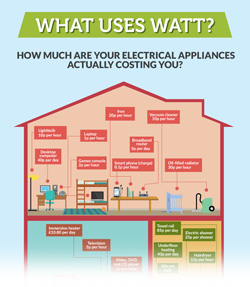
| How to save energy at home - see this infographic |

Created by Andy
Darvill,
Web site www.darvill.clara.net
Home Fossil Fuels Nuclear Power Solar Power Wind Power Tidal Power Hydroelectric Power Pumped Storage Wave Power Geothermal Power
Biomass Biogas Other Biofuels See also "Stuff to do" on the home page.
This site uses images from www.freefoto.com and www.sxc.hu I am not responsible for the content of external sites linked from this page.